More than K-Pop: why Brabant is investing in one of the world’s most innovative economies
From semiconductors to smart mobility: a delegation from Brabant travelled to South Korea recently to explore new opportunities for cooperation in high tech.
When people think of South Korea, they often think of K-Pop, kimchi, and global hit series like Squid Game. But there’s another reason the country is attracting attention: it’s become one of the world’s leading innovation economies, investing heavily in the technologies expected to shape the future. South Korea and the Netherlands consistently rank among the world’s most innovative countries, making them natural partners for collaboration. In the latest *Global Innovation Index, South Korea ranked 4th globally and the Netherlands 8th. For North Brabant, with its strong high-tech industry, that makes Korea a particularly interesting partner.
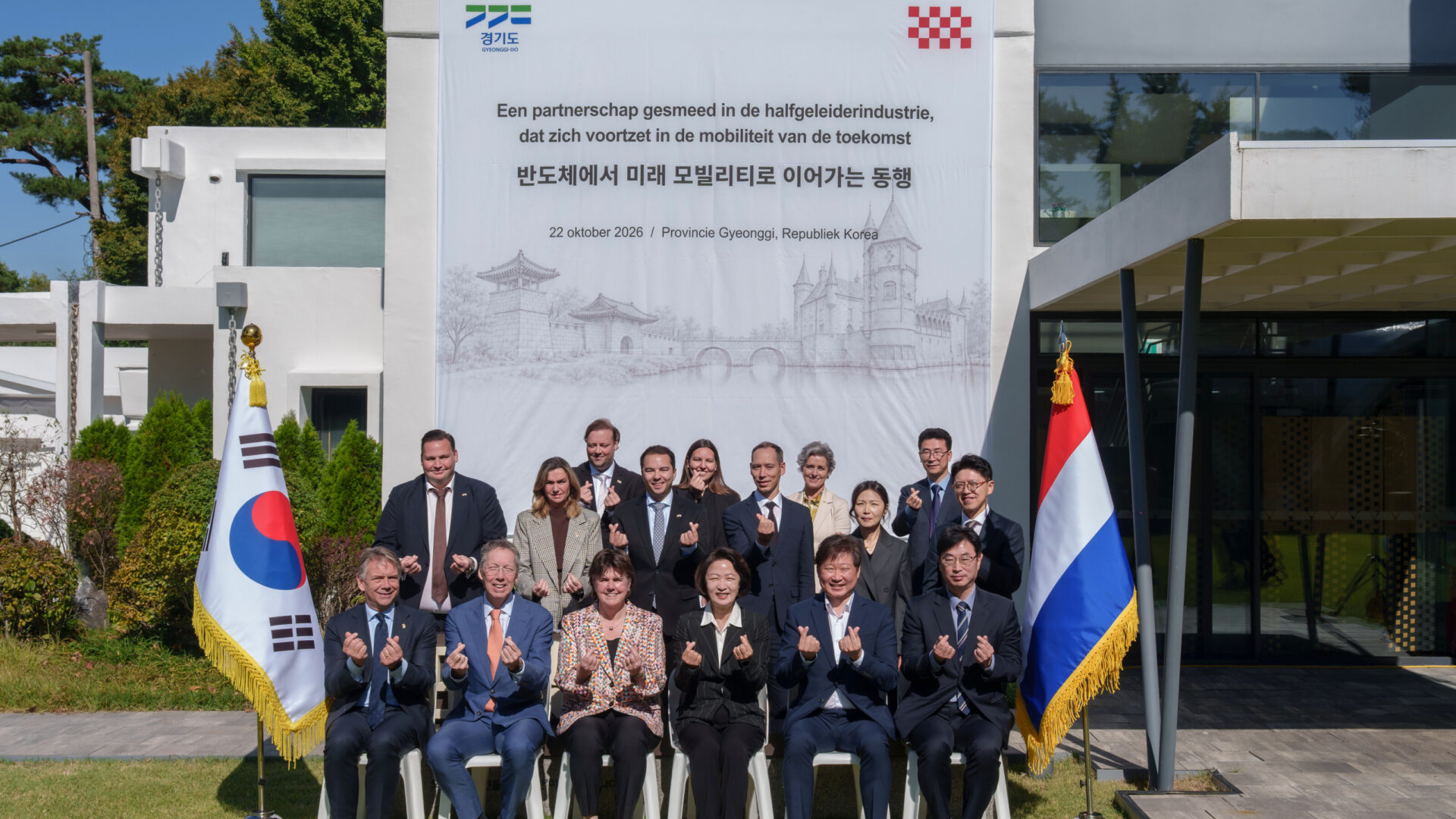
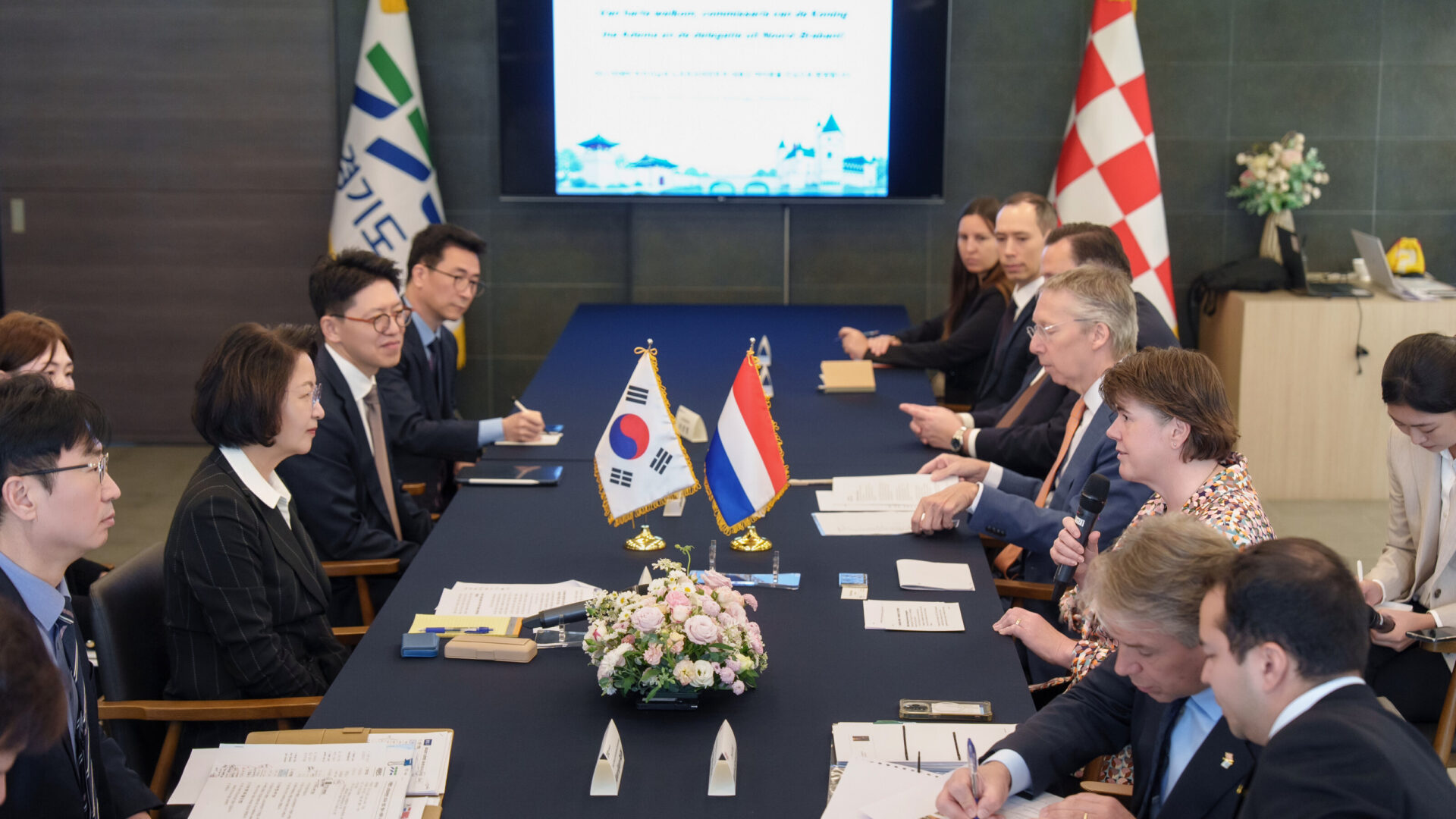
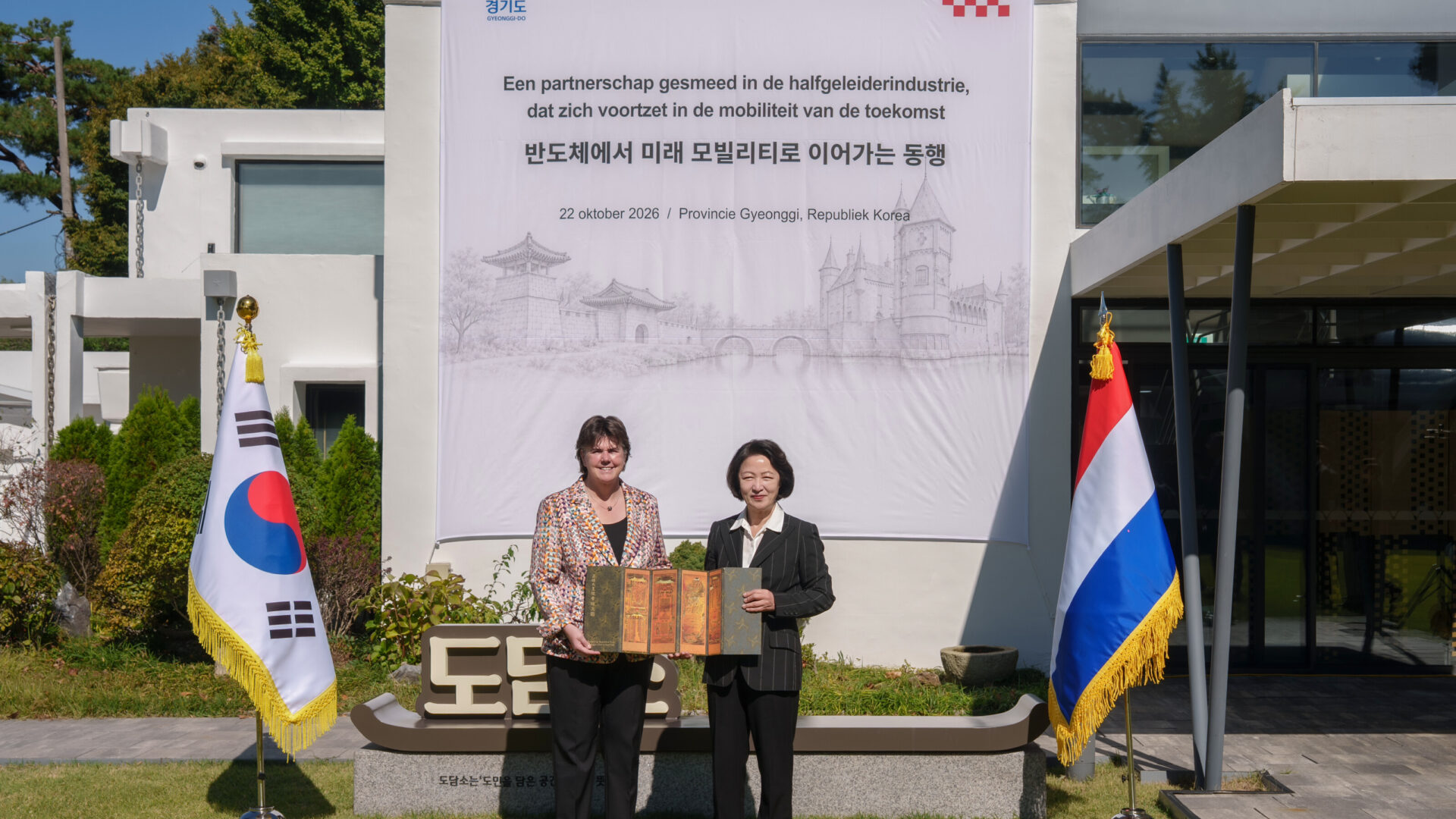
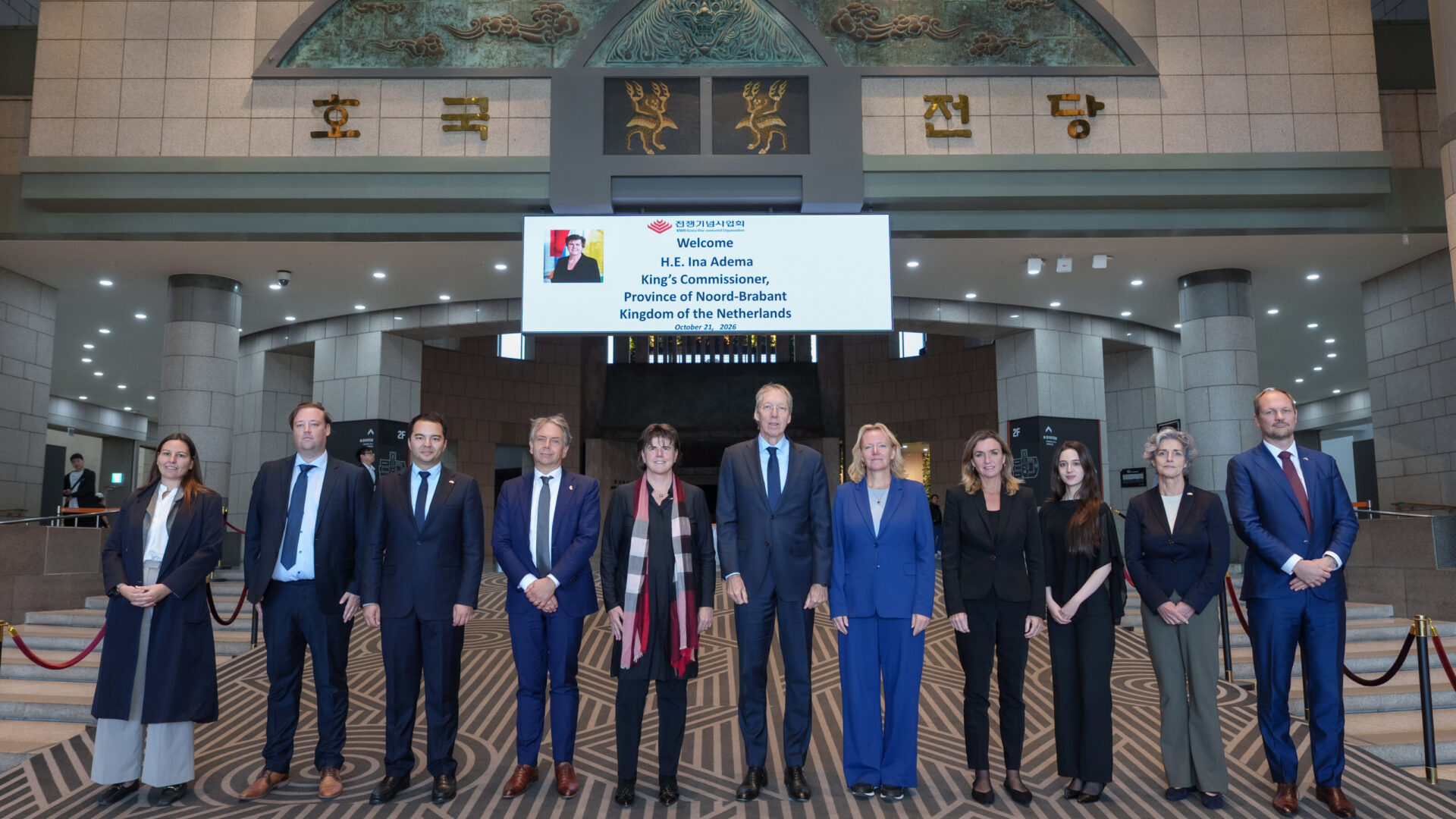
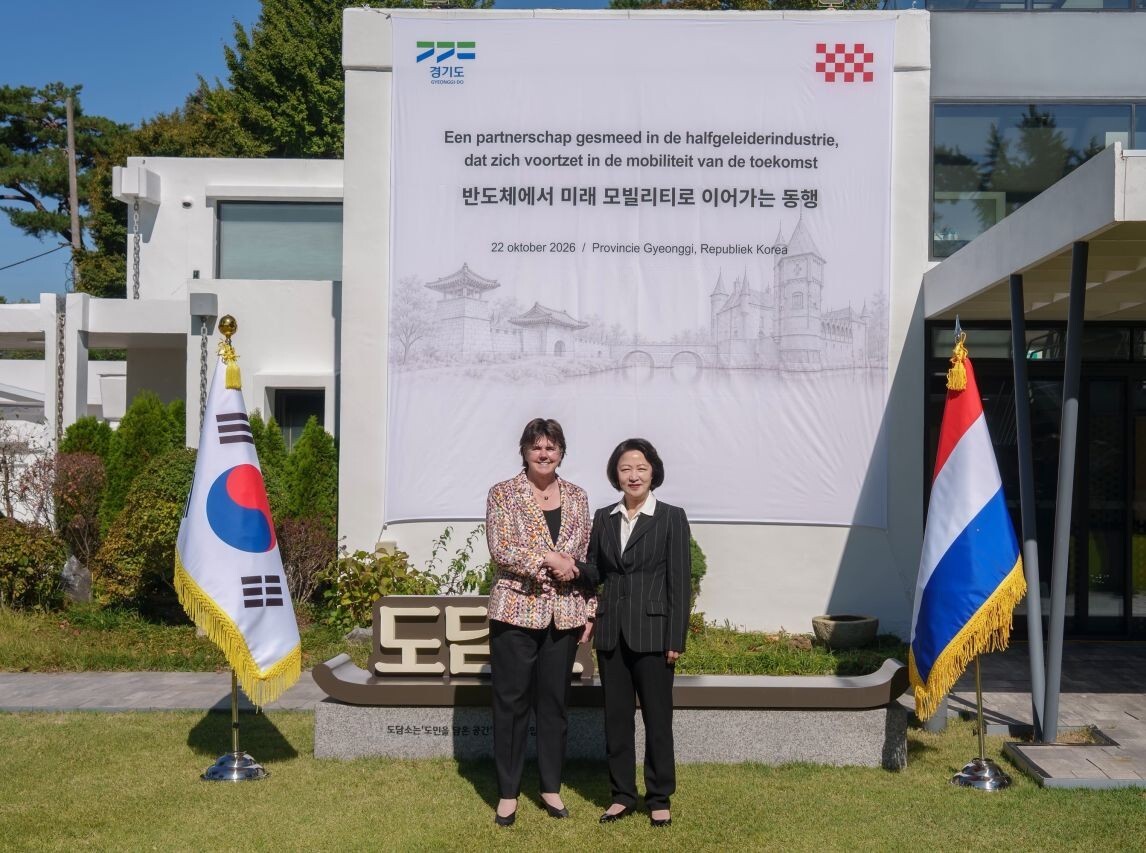
The relationship is now entering a new phase. This month, a delegation led by Ina Adema, King’s Commissioner of North Brabant, visited South Korea to deepen connections with government, industry, and research organisations. The programme included a meeting with Choo Mi-ae, the new governor of Gyeonggi Province – often described as the Silicon Valley of Korea, and focused strongly on smart mobility and strategic cooperation between the two regions. It reflected a broader ambition too: positioning Brabant as a long-term partner for one of Asia’s most dynamic innovation hubs.
Complementary strengths
There’s a wider strategic backdrop to this growing relationship. As Europe looks to strengthen its competitiveness, resilience and technological sovereignty, partnerships with like-minded innovation economies are becoming more important. South Korea stands out for its technological capabilities and global industrial leaders, with strengths that complement those already present in Brabant.
Brabant is home to a highly specialised high-tech ecosystem, centred around companies such as ASML and supported by leading research institutions and a network of innovative suppliers and technology companies. South Korea, meanwhile, brings industrial scale, substantial investment and global technology leaders including Samsung, SK Hynix, LG and Hyundai.
Together, those strengths create opportunities in areas where both regions see strategic importance, including semiconductors, photonics, battery technology and AI. That potential helped underpin the innovation partnership signed by North Brabant and Gyeonggi in 2024.
“The partnership between North Brabant and Gyeonggi demonstrates how leading regions can work together to stay ahead in innovation and technology,” says Ina Adema. “Especially in today’s changing international landscape, trusted partnerships built on shared ambitions, mutual respect and long-term cooperation are more valuable than ever.”
Many organisations across the Dutch innovation ecosystem recognise the importance of the Korean connection. Eindhoven University of Technology has developed educational exchanges through summer school programmes, Dutch companies regularly participate in industry events such as SEMICON Korea and InterBattery Korea, and TNO (the Netherlands Organisation for Applied Scientific Research) has established an office in the country.
Smart mobility in focus
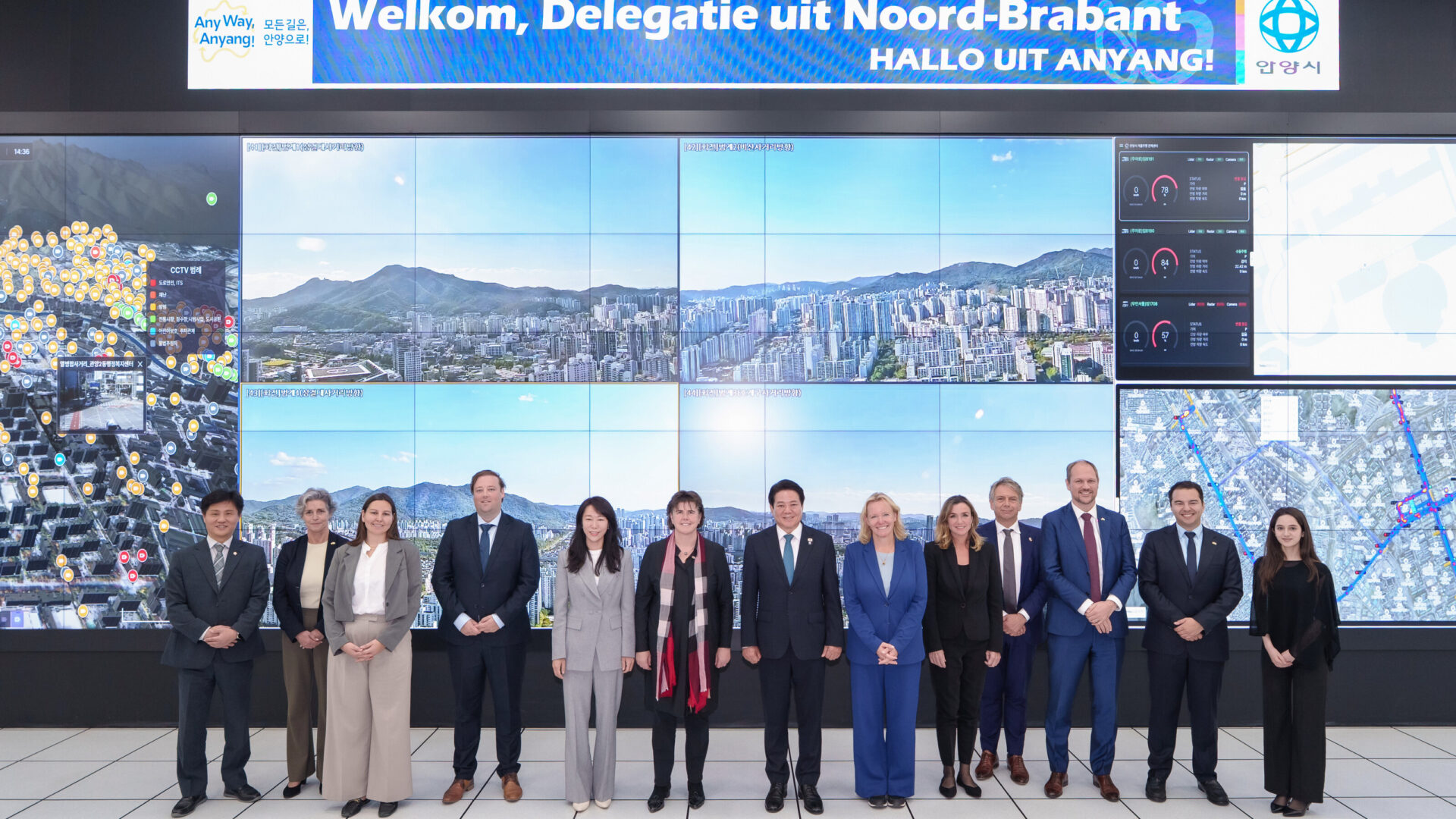
The October event brought these different strands together, combining high-tech cooperation, smart mobility, and engagement with Gyeonggi Province. The delegation included representatives from government, research and industry, such as TNO and RDW (the Netherlands Vehicle Authority).
One of the highlights was the Korea-Netherlands Joint Conference ‘Smart Mobility for Future Transportation in the eastern coastal city of Gangneung, co-hosted by the Province of North Brabant, TNO and ITS Korea during the ITS World Congress.
The delegation also visited Gyeonggi Province. The region is home to major R&D facilities for companies including Samsung, SK Hynix, LG and Hyundai, as well as major investments in new semiconductor manufacturing capacity, making it a natural counterpart for Brabant’s technology ecosystem.
Governor Choo Mi-ae said, “I understand that North Brabant is home to world-renowned companies such as ASML and NXP, as well as the innovative ecosystem of Brainport Eindhoven. Similarly, Gyeonggi Province is home to a concentration of companies and research institutions in semiconductors, IT, AI, future mobility, and batteries.
“I believe that by building on the technological expertise and shared vision for the future that both regions have developed, we can further advance mobility technologies through continued cooperation.”
The Gyeonggi visit reflects Brabant’s emphasis on building regional connections that can provide a foundation for business, technology, and research partnerships.