Why Brabant’s innovation model works – and why it matters globally
In advanced technology sectors, invention is rarely the bottleneck. The real pressure point comes later: turning promising ideas into systems that are reliable, manufacturable and scalable. Across industries, from advanced manufacturing and AI to energy systems and next-generation compute, that transition remains challenging.
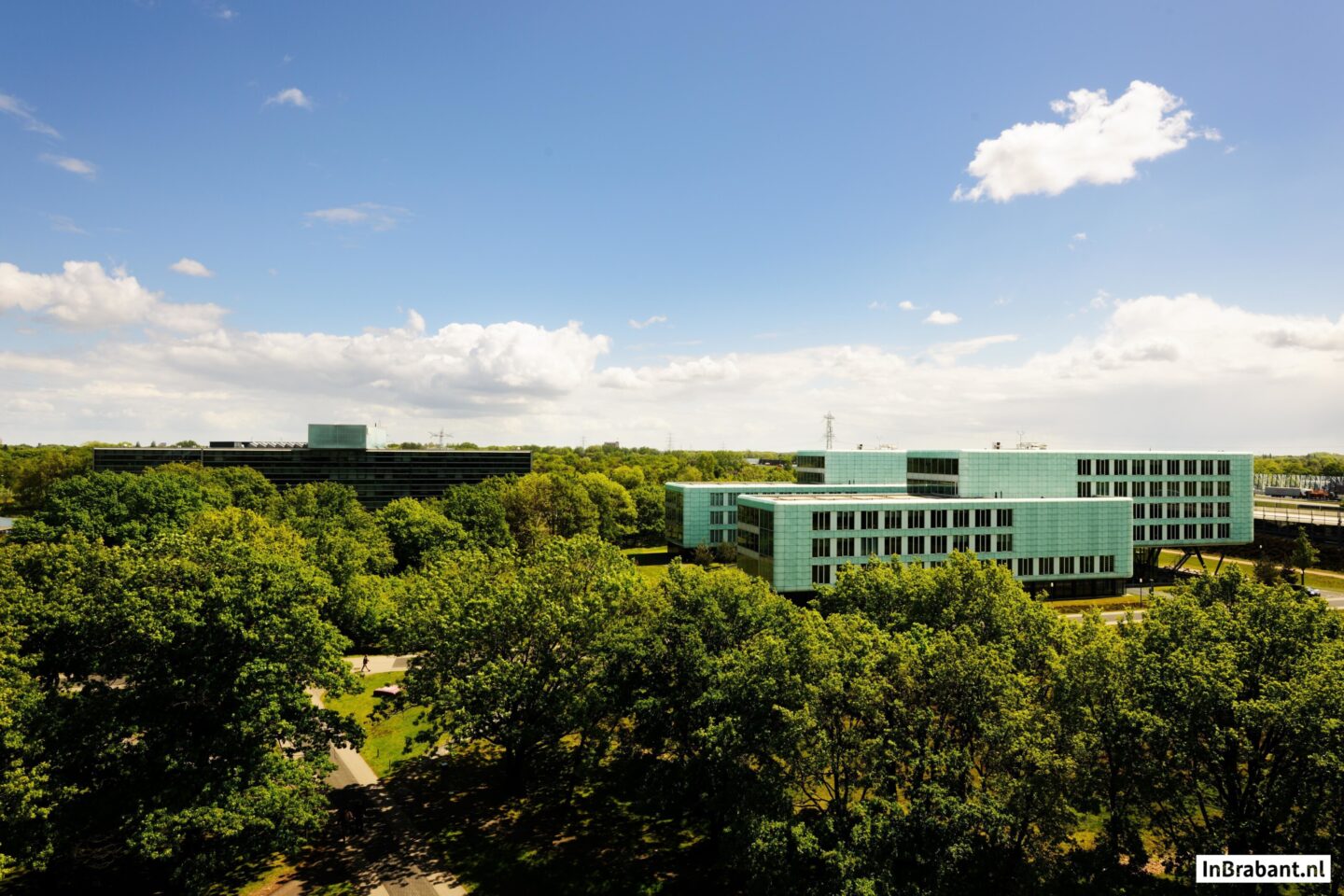
In the Dutch province of North Brabant, this crucial step from idea to application sits at the centre of the innovation model. The region has organised its ecosystem around a single objective: translating ideas into industrial reality by tightly connecting companies, research institutions and public partners to turn collaboration into scalable execution. This approach builds on Brabant’s longstanding position as a leading deep-tech region, with globally recognised strength in semiconductor systems, integrated photonics, and advanced manufacturing technologies.
Brabant’s approach took shape in response to economic pressure that required the region to rethink how innovation was organised. Companies, research institutions and public partners aligned around shared challenges and a common direction, laying the foundation for today’s ‘triple‑helix’ model.
A value-chain approach to innovation
What defines the model today is its focus on outcomes. As John Blankendaal, Managing Director of Brainport Industries – the leading network of high-tech suppliers in the Netherlands – explains, success is measured at the level of the value chain as a whole, with each player contributing from its own position. In sectors such as semiconductors, where Brabant-based companies play a critical role in global supply chains, this coordinated approach is essential to maintaining technological leadership.
That value-chain perspective shapes how companies operate. As Blankendaal says, organisations collaborate closely with suppliers, customers and research partners, combining capabilities across the ecosystem. This allows companies to draw on expertise beyond their own walls and move more quickly from concept to market.
Innovation as a systems challenge
For Ton van Mol, Managing Director of TNO Holst Centre – an independent, open-innovation research and development center located at the High Tech Campus in Eindhoven, Netherlands – this reflects the structure of modern technology development.
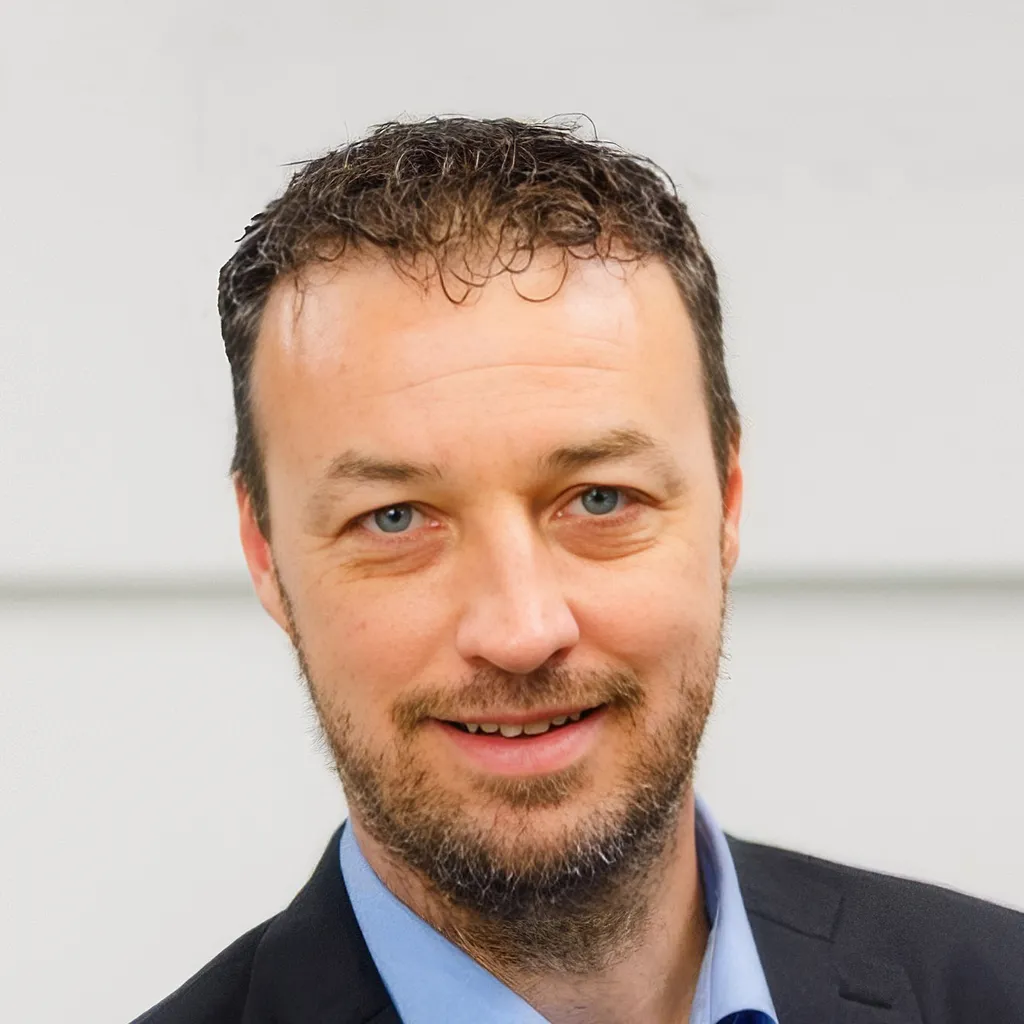
The journey from research to market is not a linear hand‑off, he says. It is a systems challenge.
Ton van Mol, Managing Director of TNO Holst Centre
That system spans multiple layers: technology development, manufacturing capacity, talent, infrastructure and investment. Progress depends on how well these elements evolve together. Brabant’s advantage lies in the way these layers are both concentrated and connected. This is particularly visible in deep-tech fields such as integrated photonics and flexible electronics, where research, prototyping and scale-up take place within closely linked programmes.
The region’s network of high-tech companies, research institutes and universities sits within close reach, making collaboration more immediate. “You almost always have a local partner present,” Van Mol notes – a practical condition that shortens development cycles and keeps projects moving forward.
A culture built on proximity and trust
This density is matched by a distinctive way of working. According to Brigit van Dijk‑van de Reijt, CEO of the Brabant Development Agency (BOM) – a public organisation that builds bridges between entrepreneurs, knowledge institutes and government, invests in startups and scale-ups, and supports companies in their international growth ambitions – there is a strong sense of openness and informal connection, underlining how easily organisations engage with one another.
“Companies, campuses and research centres interact continuously, through shared programmes, industry networks and day-to-day contact,” she explains. “That familiarity speeds up decision-making. Knowledge moves quickly across organisational boundaries, supporting faster iteration and problem-solving.”
Collaboration to industrialisation
In Brabant, collaboration is organised around execution.
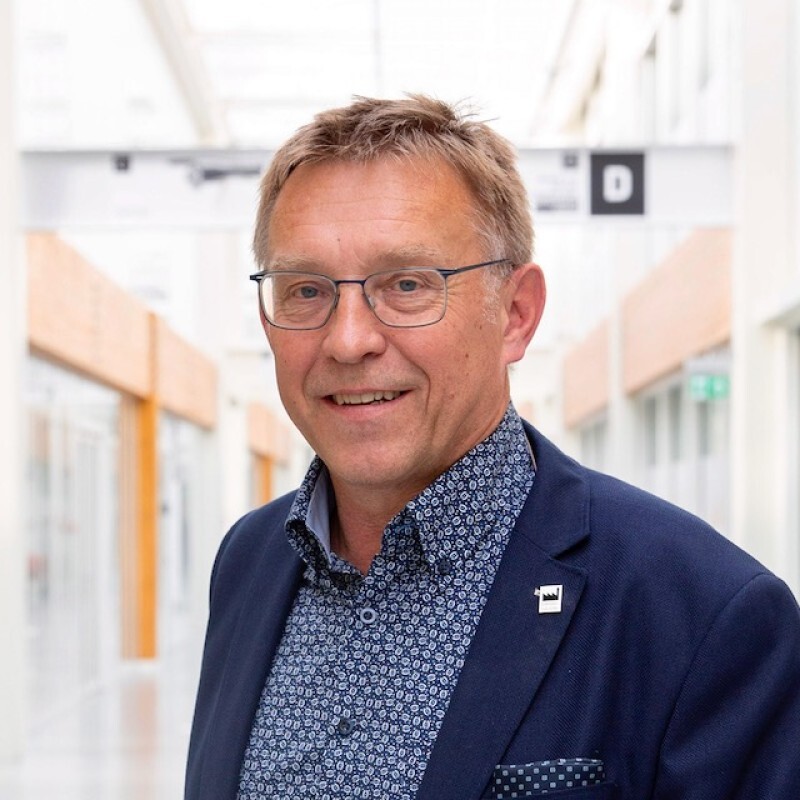
Stakeholders align through shared roadmaps and targeted programmes that define how technologies advance.
John Blankendaal, Managing Director of Brainport Industries
This creates continuity across the full innovation cycle, from early-stage research through to industrial deployment.
He points to additive manufacturing as a clear example. Companies, suppliers and startups came together to explore the technology, building knowledge and developing applications within a joint initiative. That effort extended into industrialisation, supporting serial production and the emergence of a new original equipment manufacturer (OEM).
The same principle shapes the region’s research infrastructure. At the Holst Centre, partners across the value chain develop technologies within shared programmes, progressing in parallel. This alignment reduces duplication, distributes risk, and ensures that the next stage of development is ready when needed.
Bridging the gap from lab to fab
Shared pilot lines play a key role in linking research to production. As Van Mol explains, these facilities prove that technologies can be produced consistently and at scale. “You stop doing research with 10 prototypes and show it also works with 10,000,” he says. That step strengthens confidence among investors, partners and customers by demonstrating manufacturability in real-world conditions.
This approach is particularly effective in complex, capital-intensive fields such as semiconductors and integrated photonics, where the move from prototype to production determines commercial success. Brabant’s leadership in these domains, supported by facilities such as shared pilot lines and foundries, reinforces its role as a key European hub for deep-tech industrialisation.
Brabant’s model provides both the structure and the infrastructure needed to support that transition.
Strengthening the full ecosystem
From the perspective of BOM, maintaining continuity across the ecosystem is a core priority. Van Dijk–van de Reijt describes Brabant as a connected pipeline, where early-stage innovation links directly to scale-up and industrial application.

At BOM, we [provide] support through venture building – nurturing ideas, funding them and connecting them to the right partners…. You need the full ecosystem: talent, regulation, facilities and capital.
Brigit van Dijk‑van de Reijt, CEO of the Brabant Development Agency
That system extends across multiple domains, including energy, health, food systems, defence, AI and deep tech, areas where the region combines existing strengths with future growth potential. Within this, deep tech remains a defining pillar, with semiconductors and photonics continuing to anchor the region’s global reputation.
The development of SMART Photonics, for example, illustrates how this long-term support plays out in practice. Originating from research, the company has developed into a foundry with potential for high-volume production, supported throughout by funding, partnerships and access to the wider ecosystem.

A model for global collaboration
Underlying all of this is a shared commitment to long-term collaboration. As Van Mol emphasises, projects span years and often involve multiple partners across different stages of development. Trust sustains that continuity and supports consistent progress over time.
This mindset also shapes Brabant’s international relationships. As Blankendaal notes, collaboration with partners such as Japan reflects a shared emphasis on quality and long-term thinking. Each ecosystem contributes complementary strengths, with Japanese companies focusing strongly on quality before market entry and Brabant offering a flexible environment for early-stage testing and iteration.
Together, these characteristics position Brabant as a partner in global technology development. Its deep expertise in semiconductor equipment and photonics, combined with an open innovation model, makes it a natural counterpart to other leading high-tech regions worldwide. As Van Dijk‑van de Reijt highlights, many of the challenges facing industry today – around technology, resources or demographic changes – are shared internationally, with collaboration playing a central role in addressing them.
Delivering innovation at scale
Brabant’s strength lies in execution. The ecosystem brings together industry, research, government and capital in a way that consistently carries technologies from idea to application. That ability, to move from concept to real-world impact at pace and at scale, defines Brabant’s role in the global innovation landscape.